






-
뉴스
-
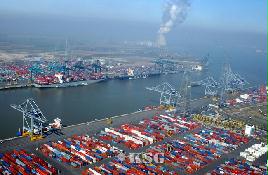
- Stena Line’s Port of Gothenburg Terminal Relocati...
- The Port of Gothenburg has awarded NCC the contract for the design and implementation of Stena Line’s new terminal in the Port of Gothenburg. The agreement was signed on Tuesday and means that the next step can be taken in the work to realise the long-planned relocat...
-
- CEVA Logistics Advances Next Phase of Growth with N...
- CEVA Logistics, a world leader in third-party logistics, today announced the next phase of its global growth strategy under Chief Executive Officer Patrick Moebel. Following a period of listening and engagement with employees, customers and business partners, CEVA is a...
-
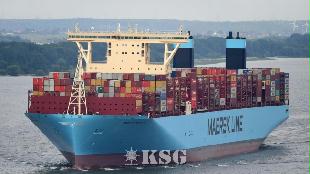
- Maersk and PUMA Expand Partnership to Unlock Greate...
- A.P. Moller - Maersk (Maersk) today announced it has begun managing PUMA’s North America distribution network, which includes three large, highly automated warehouses in California, Arizona, and Indiana totaling about 2.3 million square feet. PUMA, one of the world...
-
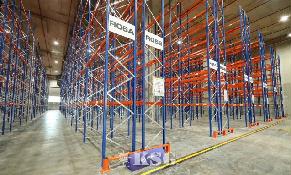
- DP World Expands Contract Logistics Network In Thai...
- DP World today announced the opening of a new contract logistics distribution centre in Bang Na, expanding its logistics capacity in Thailand and strengthening its ability to support customers across key manufacturing and consumer sectors. The approximately 10,000-squa...
-
- 운항스케줄
-
오피니언




























2001-06-01 14:42
What does bring lower Korean Won to shipping firms?


With gloomy prospects for the global economy and domestic businesses expected to spiral downward this year, companies and individuals are aggressively taking part in buying U.S dollars. The liberalization of the foreign money exchange act has made it easier to possess and purchase dollars.
The weakening Taiwanese and Philippine currencies have driven the won depreciation worse. Experts predict the won to surge to the 1,300 level against the dollar sooner or later. The dollar to Korean won rate rose to 1,259.70 from 1,145.40 won, a year earlier December 30th, 1999.
As the Korean Won goes up, shipping companies can enjoy increased profits with the same amount of cargoes. While income including shipping rates is 100% paid in dollars, 80% of those dollars go out in expenses, leaving 20% of the profits to shipping firms. It is reported that a 100 won increase would have produced about 220 billion won in profit on the basis of 11 billion dollars worth of rates earnings in 2000. Shipping lines also expect to gain favorable liquidity as the won hikes up.
On the other hand, shipping lines may encounter some trouble in raising funds and show bad management results. The won's depreciation could distort managing results, deteriorating shipping companies' financial structures, causing them to lose their credit ratings with foreign firms. For example, in 2000, shipping companies in Korea expected to earn a net profit of 500 billion won. However losses from won to dollar exchange were expected to be 1.52 trillion won, leaving them about 551.6 billion won in the red on P/Ls (profit-loss statement).
Amongst all that, governments tried to listen to the Korea Shipowner's Association and shipping companies to prepare countermeasures. One possible measure is to not calculate long-term foreign debts. A second is to postpone and later consider into exchange losses calculations of long-term exchange debts.
The weakening Taiwanese and Philippine currencies have driven the won depreciation worse. Experts predict the won to surge to the 1,300 level against the dollar sooner or later. The dollar to Korean won rate rose to 1,259.70 from 1,145.40 won, a year earlier December 30th, 1999.
As the Korean Won goes up, shipping companies can enjoy increased profits with the same amount of cargoes. While income including shipping rates is 100% paid in dollars, 80% of those dollars go out in expenses, leaving 20% of the profits to shipping firms. It is reported that a 100 won increase would have produced about 220 billion won in profit on the basis of 11 billion dollars worth of rates earnings in 2000. Shipping lines also expect to gain favorable liquidity as the won hikes up.
On the other hand, shipping lines may encounter some trouble in raising funds and show bad management results. The won's depreciation could distort managing results, deteriorating shipping companies' financial structures, causing them to lose their credit ratings with foreign firms. For example, in 2000, shipping companies in Korea expected to earn a net profit of 500 billion won. However losses from won to dollar exchange were expected to be 1.52 trillion won, leaving them about 551.6 billion won in the red on P/Ls (profit-loss statement).
Amongst all that, governments tried to listen to the Korea Shipowner's Association and shipping companies to prepare countermeasures. One possible measure is to not calculate long-term foreign debts. A second is to postpone and later consider into exchange losses calculations of long-term exchange debts.


선박운항스케줄
인기 스케줄
-
PYEONGTAEK
 BANGKOK
선박운항스케줄 목록 - 선박운항스케줄목록으로 Vessel, D-Date, A-Date, Agent를 나타내는 테이블입니다. Vessel D-Date A-Date Agent Dongjin Confident 11/02 11/14 Dongjin Sawasdee Mimosa 11/04 11/11 Sinokor -
INCHEON
QINGDAO선박운항스케줄 목록 - 선박운항스케줄목록으로 Vessel, D-Date, A-Date, Agent를 나타내는 테이블입니다. Vessel D-Date A-Date Agent Honor Prosper 10/27 10/28 EAS SHIPPING KOREA Honor Prosper 10/27 10/28 BEN LINE Honor Prosper 10/27 10/28 Taiyoung -
MASAN
VANCOUVER B.C.선박운항스케줄 목록 - 선박운항스케줄목록으로 Vessel, D-Date, A-Date, Agent를 나타내는 테이블입니다. Vessel D-Date A-Date Agent Asian Naga 11/25 12/26 ECL Korea -
BUSAN
VANCOUVER B.C.선박운항스케줄 목록 - 선박운항스케줄목록으로 Vessel, D-Date, A-Date, Agent를 나타내는 테이블입니다. Vessel D-Date A-Date Agent One Modern 10/27 11/07 HMM Hmm Vancouver 10/29 11/09 HMM Hyundai Supreme 11/09 11/23 HMM -
BUSAN
TORONTO선박운항스케줄 목록 - 선박운항스케줄목록으로 Vessel, D-Date, A-Date, Agent를 나타내는 테이블입니다. Vessel D-Date A-Date Agent Westwood Victoria 11/13 12/11 Hyopwoon Nadi Chief 11/20 12/18 Hyopwoon Westwood Rainier 11/28 12/25 Hyopwoon
- 출발항
-
- 도착항
-


많이 본 기사
- 전세계 교역량 AI 투자가 성장 견인…상반기 6% 증가삼성SDS, 우정항공 지분 100% 인수 계약 체결中 코스코, 아시아-남미동안 신항로 12월 개설한국선급, 선박내부 3차원으로 재현한 공간정보플랫폼 첫 공개IPA, 인천항 '컨' 물동량 창출 포워더에 1.3억 인센티브 지원HMM, 태국 RCL등과 중국-인니·싱가포르 노선 신설롯데글로벌로지스, 육군본부와 전시 수송·방산물류 협력맥스피드 “해상 이어 항공콘솔도 핵심사업으로”글로벌 컨선사들, 상반기 외형 커졌지만 수익성 일제히 후퇴기고/ AI 기반 SCM의 현황 및 발전 방향
- 광양경자청, 대구 미래모빌리티 행사서 광양만권 투자환경 홍보한국형 해운지수 맞히면 상금·커피쿠폰 쏜다HD현대, 미국에 조선소 짓는다…2029년 가동 목표광양경자청, 美 하와이 대표단과 해양·물류산업 협력방안 모색“부산항 탐험대” 부산항만공사·HMM오션서비스등 체험교육 맞손해운협회, 상근부회장에 김준석 전 해수부 실장 내정홍콩 OOCL, 3분기 매출액 4.4조 달성…전년比 두자릿수 증가BDI 2593포인트…중대형선 시장서 소강상태해양교통안전공단, 선박해양플랜트연구소와 친환경선박 개발 맞손한진 조현민 사장, 치안산업진흥협회장 첫 공식 행보


스케줄 많이 검색한 항구

해사물류 통계 





COPYRIGHTⓒ 2014 KOREA SHIPPING GAZETTE. ALL RIGHTS RESERVED.

COPYRIGHTⓒ 2015
KOREA SHIPPING GAZETTE. ALL RIGHTS RESERVED.
0/250
확인